

Maine Coon Kittens For Sale at Mega Coons – Most people don’t go looking for a Maine Coon. They stumble across one at someone’s house or fall down a video rabbit hole at midnight, and suddenly they’re three weeks deep into breeder websites and waiting lists. That’s how it usually starts.
If you’re somewhere in the Milton area and that’s more or less where you’re at right now, here’s what those breeder websites won’t tell you.
Not Your Average House Cat
And that’s meant as a compliment.
Maine Coons don’t really do the aloof cat thing. They pick a person, or a family, and they’re just kind of always there. Not in a needy way. More like how a good roommate is always around but doesn’t smother you. Mine used to sit outside the shower and wait. Every single morning. You get used to it faster than you’d expect.
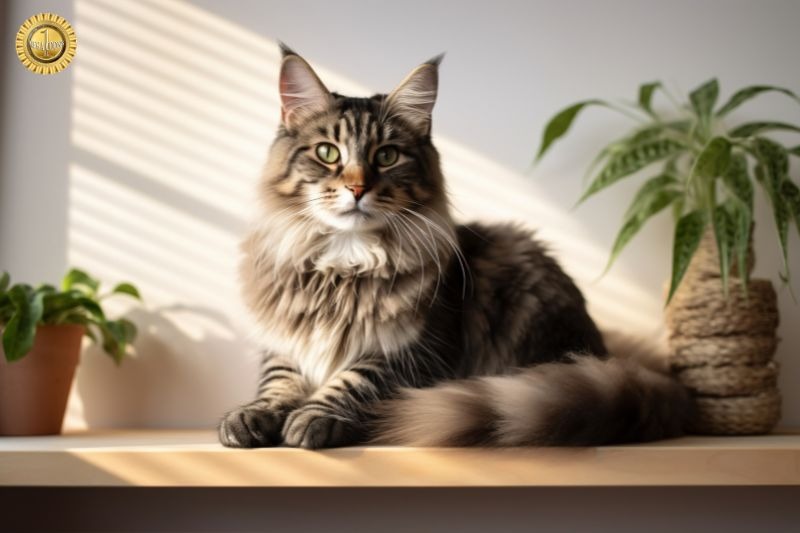
They’re also bigger than most people picture. Males hit 15 to 18 pounds pretty regularly, sometimes more. Their tails are almost comically long. Their paws are wide and tufted, which was apparently useful for navigating snow back when these cats were running around rural New England. Living in Southern Wisconsin, that trait feels oddly appropriate about half the year.
The thing that surprises new owners most is the noise they make. Not meowing, exactly. More like chirping, or this soft trill when they’re watching something out the window. The first time you hear it, you’ll think something is wrong. Nothing’s wrong. That’s just how they talk.
Why Do They Cost So Much
If you’ve gotten far enough in your search to start looking at prices, you’ve probably noticed that maine coon kittens from a real breeder in Wisconsin aren’t cheap. Somewhere between $1,200 and $2,500 is typical, and that range confuses people who are used to picking up a cat for a rehoming fee.
Here’s what’s actually behind that number.
Maine Coons have a genetic predisposition to a heart condition called hypertrophic cardiomyopathy, or HCM. It’s the most common heart disease in domestic cats, and it can be hereditary. Before any responsible breeder puts two cats together, they run cardiac screening and DNA tests on both. That’s not a one-time thing either; it’s done repeatedly over the animal’s breeding life. Add in hip screenings, spinal muscular atrophy testing, routine vet care, proper nutrition for a pregnant queen, and the cost of raising a litter in your actual home rather than a kennel, and the math starts making sense.
When you’re talking to a breeder, ask to see the health testing records for the parents. Not a summary. The actual documentation. A breeder who’s done the work won’t hesitate for a second. One who gets vague or changes the subject is telling you something important.
The Breeder Problem
There are always people in Wisconsin, Illinois, and Minnesota selling Maine Coon kittens on Craigslist, Facebook Marketplace, and various pet listing sites, sometimes listed as “Maine Coon mix,” usually for a few hundred dollars. Some of them are fine. A lot of them are not.
The issue isn’t just health testing, though that matters. It’s socialization. A kitten that spends its first 12 weeks in a garage or a spare bedroom with minimal human contact is going to struggle. They can still turn out okay, but you’ll spend months on things that a well-socialized kitten just… already knows.
What you’re looking for is a breeder who raises litters in the middle of their actual life. Kitchen noise, kids, other animals, the TV on, people coming and going. Kittens that grow up in that environment are different. Calmer. More adaptable. They don’t startle at every sound because sounds were never strange to them.
Visit before you commit. Watch where the kittens are kept. Meet at least one parent. Notice whether the breeder asks you anything about your home and situation, because a breeder who cares where their kittens end up will want to know. If the conversation is entirely transactional, that tells you what you need to know.
The TICA and CFA directories are good places to start your search. Your vet is also worth asking, especially if they’ve been practicing in Rock County or Walworth County for a while. They tend to know which local breeders they see healthy animals from.
The First Few Months
Your kitten will come home somewhere between 12 and 16 weeks. Prepare to be humbled by how small they are, because Maine Coons take three to five years to fully mature. The enormous cat you’re imagining is still years off.
What you will have immediately is a small animal with the energy of something twice its size and zero concept of what’s yours versus what’s interesting. Things will get knocked off shelves. Your laptop will be sat on. Your morning schedule will be observed and memorized within the first week.
Get a cat tree that’s actually tall enough. Most of the ones at big box stores are too short for a breed this size. A full-length scratching post matters too since these cats stretch their whole body when they scratch and a short post just doesn’t work for them.
Grooming is easier than the coat makes it look. Two or three times a week with a decent brush keeps it from matting. Start young, keep sessions short, and most of them will settle into it without much drama.
Before You Put Down a Deposit
Fifteen years is a long time. That’s the realistic lifespan you’re signing up for, and it’s worth sitting with that for a second before you commit. Kids grow up in that time. Jobs change. People move. The cat comes with you through all of it, which is either a comfort or a complication depending on your situation.
Most people who end up with Maine Coons say some version of the same thing eventually. That they didn’t fully get it until they were already living with one. Not the size or the looks; they expected that. The personality. The degree to which the cat is just present in your daily life in a way that’s hard to describe without sounding a little ridiculous.
Find a breeder you actually trust. See the health paperwork. Go in person. Those three things done right make everything else easier.
